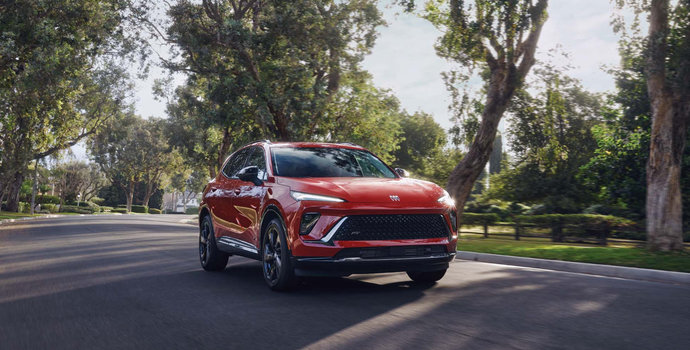
Every EV shopper eventually asks the same question: what does it actually cost to plug in? The honest answer depends heavily on where you charge. A driveway outlet and a highway fast charger can produce very different bills for the exact same battery.
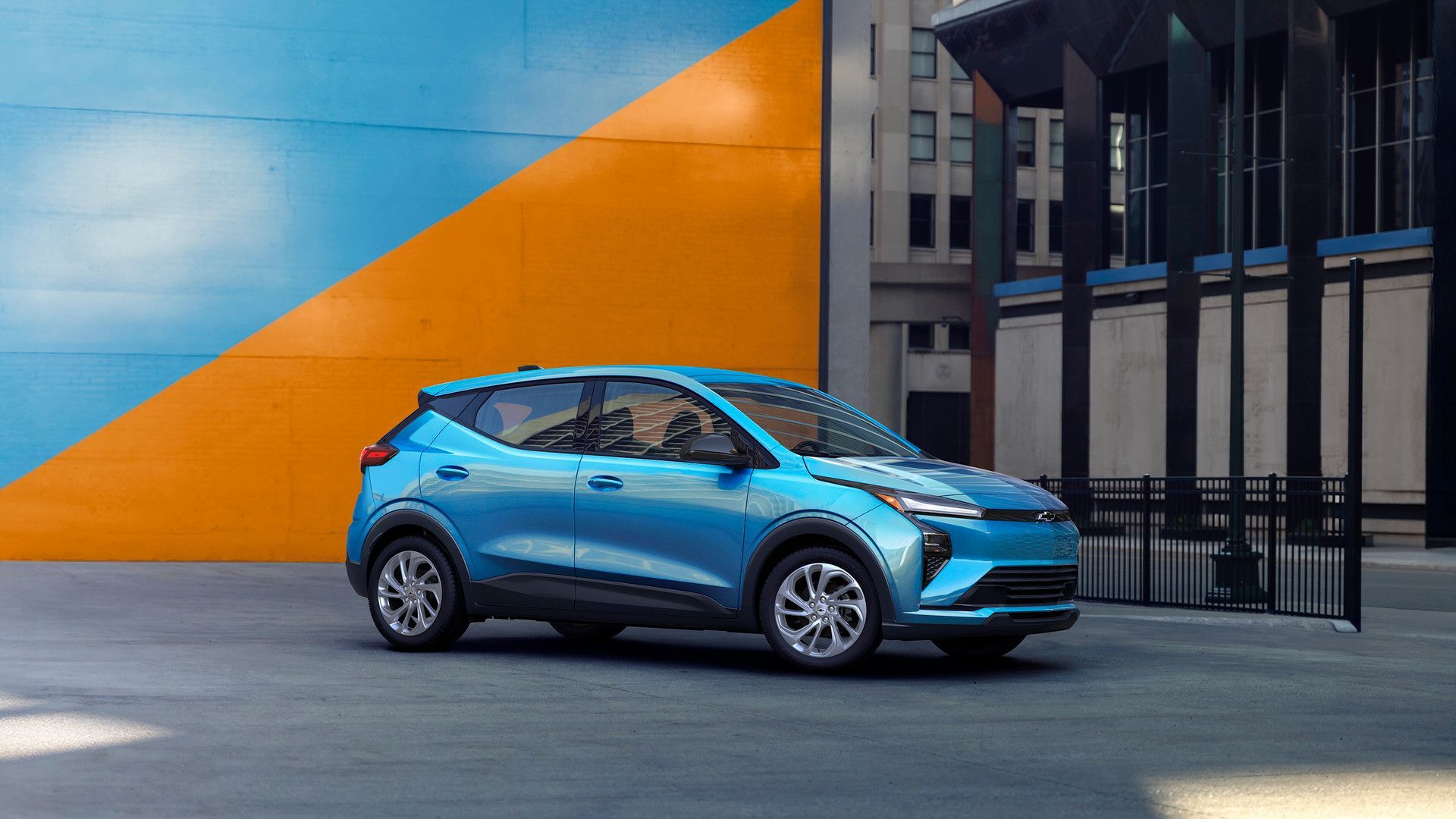
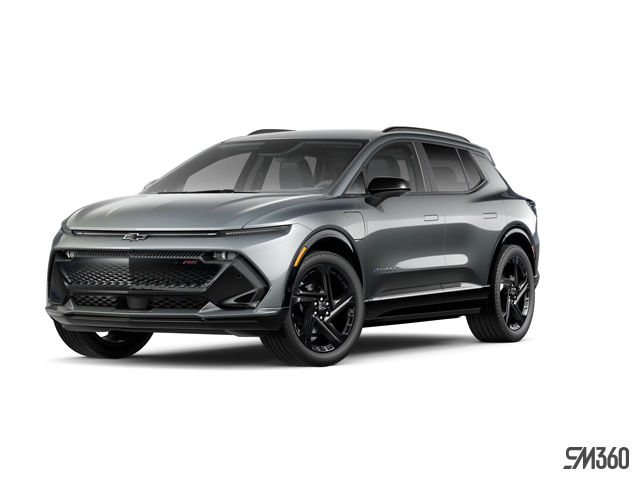
To make this concrete, we broke down the real numbers for two Chevrolet EVs sold in Canada today: the 2027 Chevrolet Bolt and the 2026 Chevrolet Equinox EV. Using official Natural Resources Canada (NRCan) consumption data and current Ontario electricity rates, here is what charging each one actually costs.
Explore Electric Vehicle Inventory
Experience efficient driving, advanced technology, and the confidence of an all-electric lineup built for every journey.
Shop GM EV's >
How EV Charging Costs Are Calculated
NRCan rates every electric vehicle in gasoline litres equivalent per 100 kilometres (Le/100 km), a scale that makes it easier to compare an EV’s efficiency against a gas-powered vehicle. One litre of gasoline holds the same energy as 8.9 kWh of electricity, so multiplying an NRCan Le/100 km rating by 8.9 converts it into real-world kWh/100 km.
From there, the math is simple. Charging cost equals the energy used, in kWh, multiplied by the price paid per kWh. Ontario’s electricity rates vary widely by charging method, which is why the same vehicle can cost very different amounts to charge depending on where the driver plugs in.
Cost to Fully Charge a Chevrolet Bolt or Equinox EV
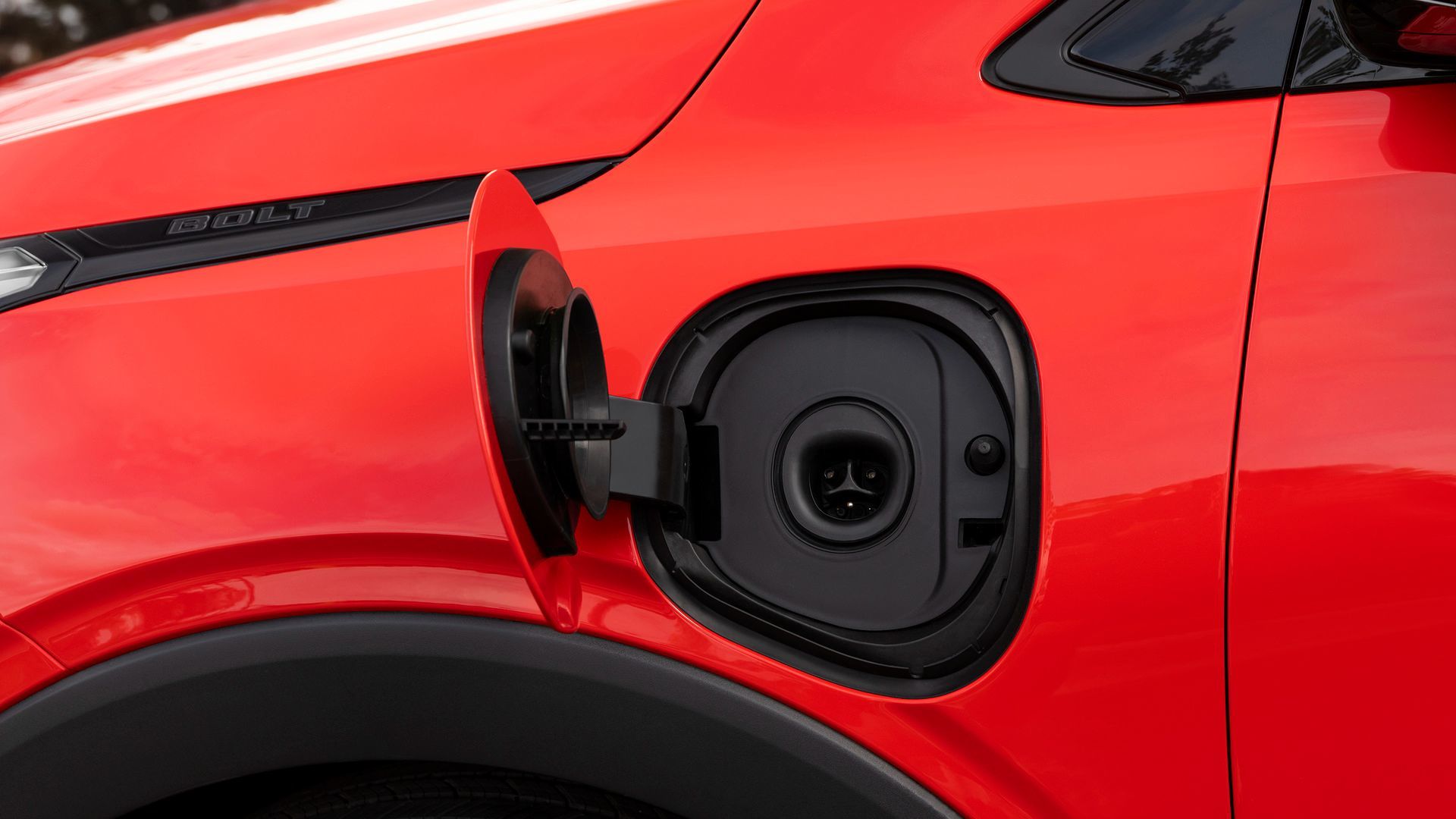
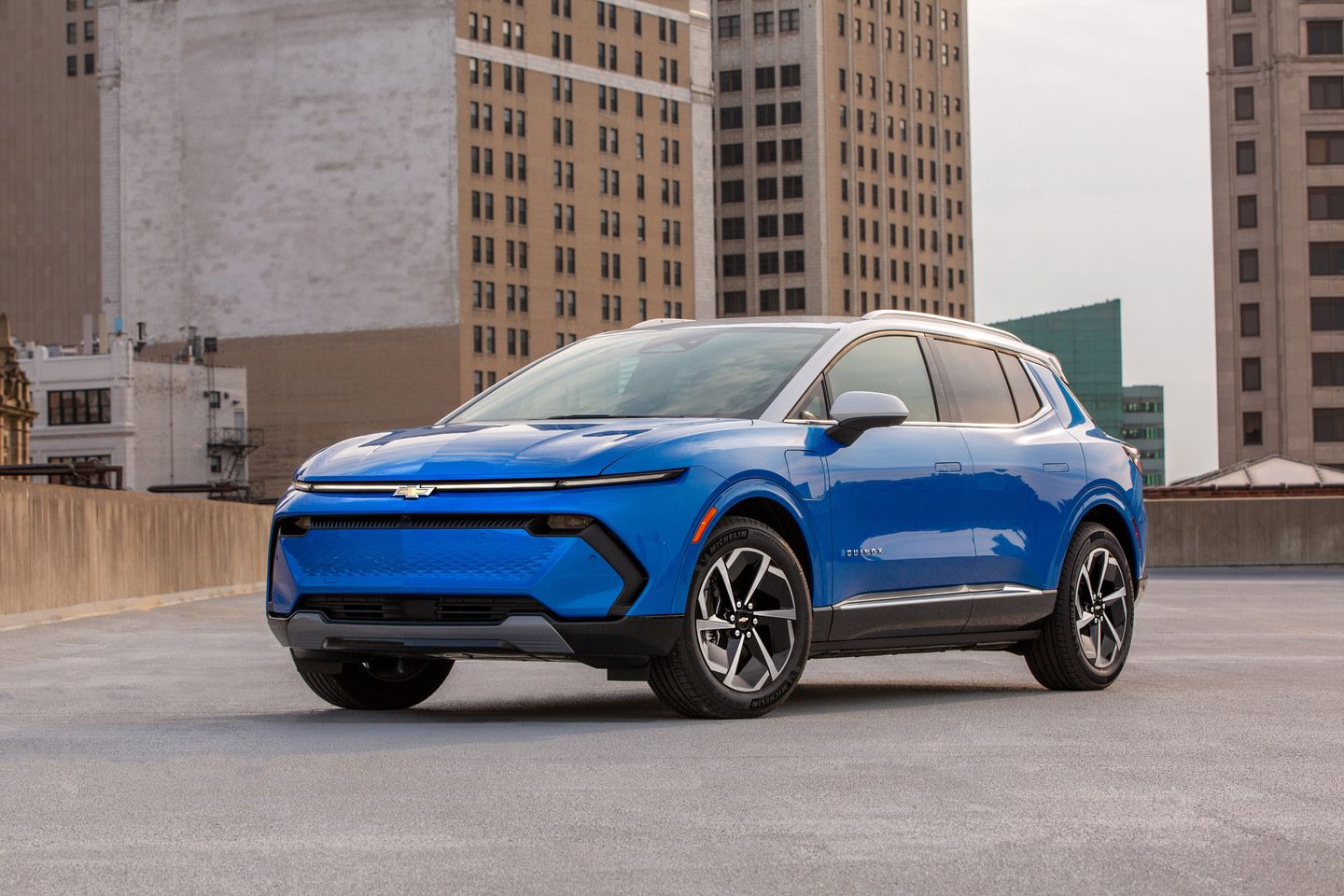
The 2027 Bolt uses a 65 kWh battery pack, while the 2026 Equinox EV steps up to an 85 kWh Ultium pack. Applying Ontario’s typical per-kWh rates to each battery size gives a full range of charging costs, from a full home charge to a full top-up on a public fast charger.
- 2027 Chevrolet Bolt (65 kWh): $2.60 to $13.20 at home, $16.25 to $35.75 on a public Level 2 charger, and $29.25 to $48.75 on a DC fast charger.
- 2026 Chevrolet Equinox EV (85 kWh): $3.40 to $17.26 at home, $21.25 to $46.75 on a public Level 2 charger, and $38.25 to $63.75 on a DC fast charger.
Home charging is consistently the least expensive option for both vehicles. DC fast charging costs more per kWh, but it also restores hundreds of kilometres of range in well under an hour, which matters most on longer trips.
What It Costs to Drive 100 Kilometres
Battery size alone does not tell the full story, since a larger battery does not always mean higher running costs. Looking at cost per 100 km driven gives a clearer picture of day-to-day charging expenses for each vehicle.
|
Charging Type
|
2027 Bolt (per 100 km)
|
2026 Equinox EV FWD (per 100 km)
|
|
Home charging
|
$0.71 to $3.61
|
$0.78 to $3.97
|
|
Public Level 2
|
$4.45 to $9.79
|
$4.90 to $10.77
|
|
DC fast charging
|
$8.01 to $13.35
|
$8.81 to $14.69
|
Equinox EV models with eAWD use slightly more energy than the FWD version, at roughly 20.5 kWh/100 km, which puts their per-100 km costs marginally above the figures shown here.
Estimated Annual Charging Costs
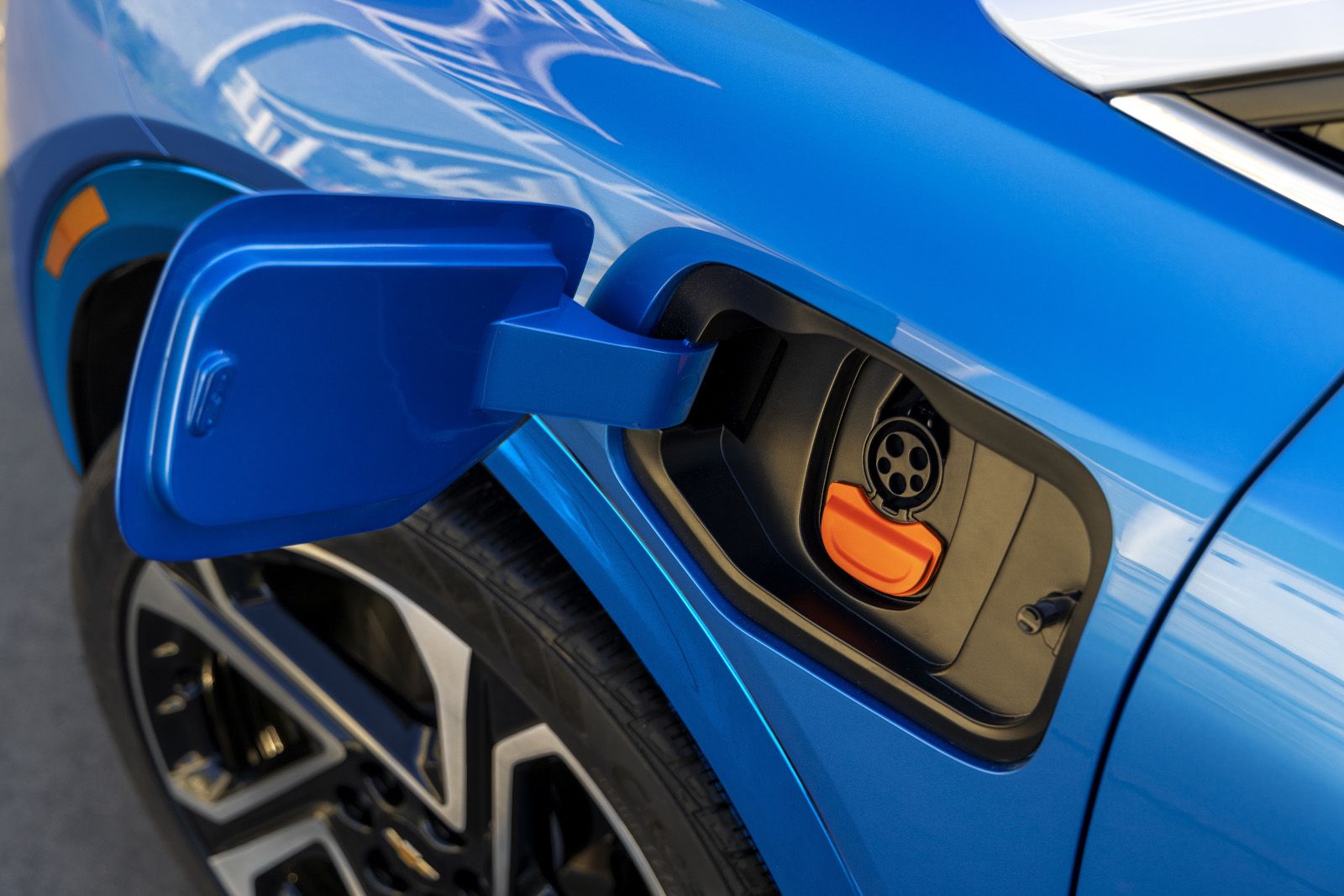
NRCan also publishes an annual cost estimate based on 20,000 km of driving per year. For the 2027 Bolt, that works out to roughly $630 per year. The 2026 Equinox EV FWD comes in around $695 per year, while the eAWD Equinox EV lands closer to $731 per year. These figures assume a blend of city and highway driving and give a useful baseline for budgeting, even though actual costs shift with driving habits and charging location.
At a Glance
|
Category
|
Details
|
|
Bolt battery size
|
65 kWh
|
|
Equinox EV battery size
|
85 kWh (Ultium)
|
|
Bolt NRCan combined range
|
422 km
|
|
Equinox EV FWD NRCan combined range
|
513 km
|
|
Bolt full home charge cost
|
$2.60 to $13.20
|
|
Equinox EV full home charge cost
|
$3.40 to $17.26
|
|
Bolt estimated annual cost
|
$630
|
|
Equinox EV FWD estimated annual cost
|
$695
|
Learn More at Humberview Chevrolet Buick GMC
Charging costs come down to simple math once you know the numbers, and both the Bolt and Equinox EV offer a wide range of options depending on how and where you charge. If you are weighing an EV against your current driving habits, our team at Humberview Chevrolet Buick GMC in Toronto can walk through the details with you and help you figure out what charging looks like for your routine.
You might also be interested in these blogs: 2027 Chevrolet Bolt vs. 2025 Equinox EV: Top Questions Answered for Toronto's Next-Gen EV Buyers | Meet the All-New 2027 Chevrolet Bolt EV: What's New? | Should You Buy the 2027 Chevrolet Bolt or the 2026 Trax? A Practical Head-to-Head