On a bitterly cold morning, your pickup’s engine starts the day at the same temperature as the air outside. The oil is thick, combustion is less efficient, and the engine has to work harder just to turn over and warm up.
A block heater takes much of that strain away. For pickup owners who face regular deep cold, the answer is yes. Here is how a block heater works, how long to plug it in, how much fuel it can save, and how to use it safely.
How a Block Heater Works
A block heater is an electric element that warms your engine’s coolant. According to Natural Resources Canada (NRCan), that warm coolant heats the engine block and the lubricants inside it. The engine starts more easily and reaches its normal operating temperature faster.
That matters because cold oil is thicker and resists flow, so the engine fights more internal friction. A cold engine also runs a richer fuel mixture while it warms up, and a cold catalytic converter works less efficiently. Shortening that warm-up phase cuts both fuel use and emissions.
How Long to Plug It In
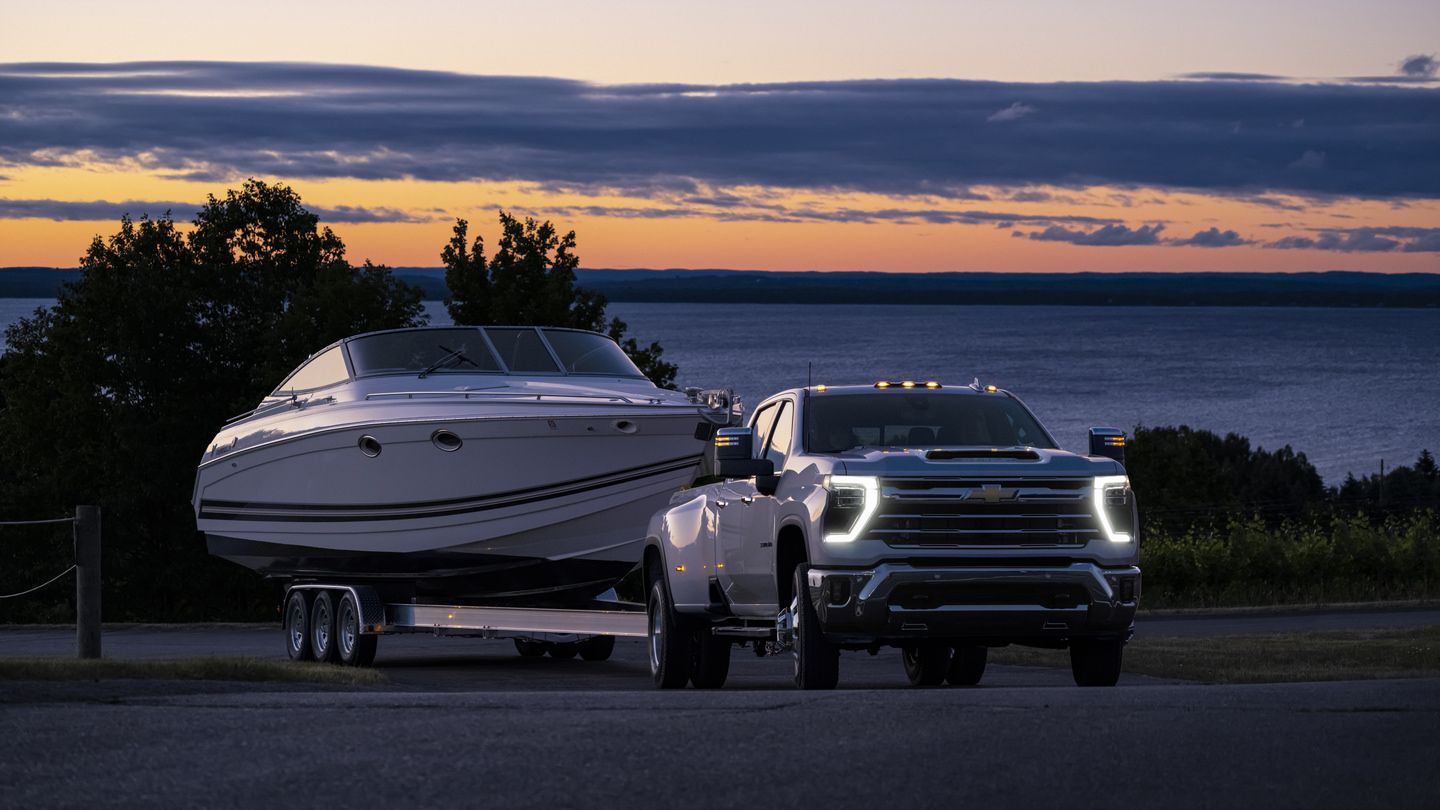
Leaving your truck plugged in all night wastes electricity. NRCan recommends an outdoor timer that switches the block heater on two hours before you drive, which is usually enough to warm the coolant and engine. Set it once and your truck is ready when you are.
If you drive a Duramax diesel pickup, check the diesel supplement for your model year and engine as well. Your owner’s manual and supplement list GM’s guidance for your exact truck, and they are the final word on plug-in timing.
What a Block Heater Can Save
NRCan’s figures make a strong case. At −20°C, a block heater can improve overall fuel economy by as much as 10%. On a single short trip at −25°C, the fuel savings can reach approximately 25%. Actual results depend on the temperature, your truck and the length of your drive.
That short-trip figure is worth noting if most of your winter driving is quick errands. Burning less fuel during warm-up also means fewer greenhouse-gas emissions, since burning gasoline produces carbon dioxide.
Skip the Long Idle
A warm engine also means less time idling in the driveway. NRCan advises that on cold winter days, usually no more than 60 seconds of idling is needed once the windows are defrosted.
For extreme-cold starts, NRCan says most engines need no more than two to three minutes before driving at a moderate speed.
Driving gently does the rest. NRCan points out that driving warms more than the engine: it also warms the transmission, wheel bearings, steering, suspension and tires.
Which GM Pickups Offer a Block Heater
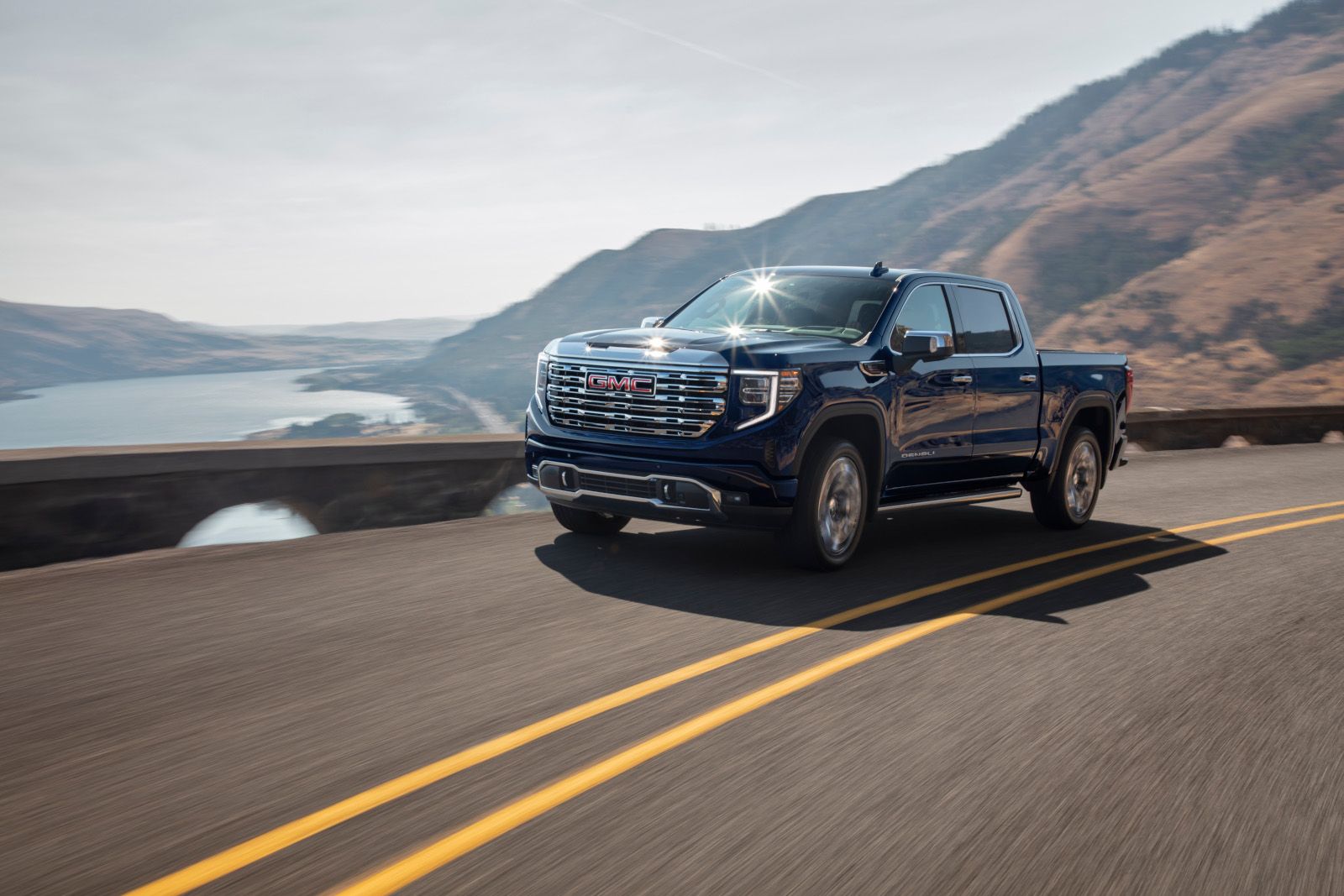
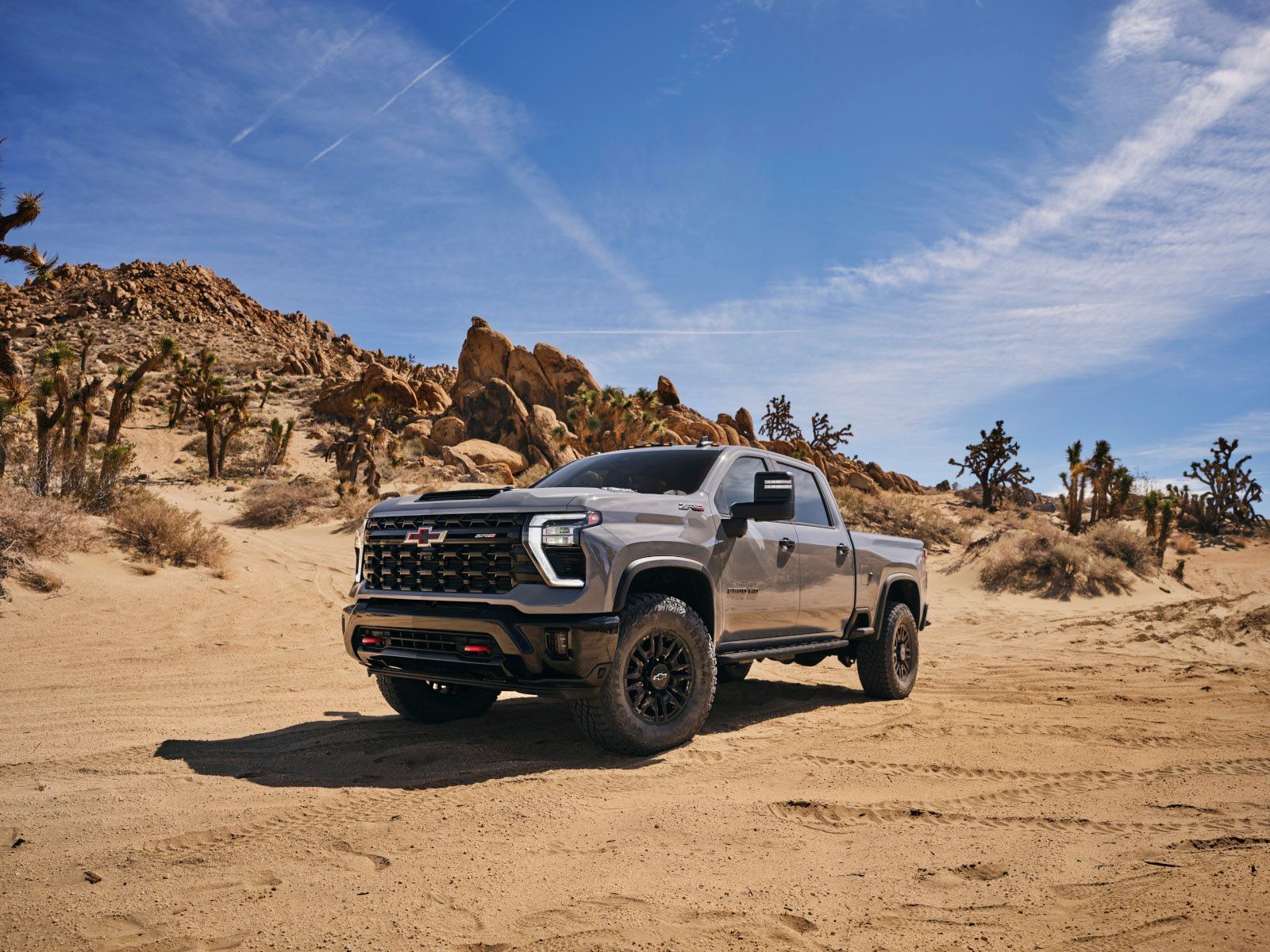
Block heaters are listed across GM’s pickup lineup, either as available equipment or as standard on specific trims:
- 2026 GMC Sierra 1500: available on every trim, from Pro to Denali Ultimate
- 2026 Chevrolet Silverado 1500 ZR2: standard
- 2026 Chevrolet Silverado 2500 HD and 3500 HD: available across the lineup
- 2026 GMC Sierra 2500 HD and 3500 HD: available, and standard on Denali Ultimate
- 2026 Chevrolet Colorado (WT to ZR2) and GMC Canyon (Elevation to AT4X): available on every listed trim
Equipment varies by trim, engine and model year, so it pays to confirm what your own truck has. If it is equipped, the plug end is usually tucked near the front of the truck.
Plug In Safely
A block heater draws real power, so the cord and outlet matter. Electrical safety authorities recommend a few simple habits:
- Use an extension cord marked “Suitable for Use with Outdoor Appliances,” and never use an indoor cord outside.
- Choose a cord gauge that matches both the heater’s power draw and the length of the run. A lower AWG number means a heavier wire.
- Plug into an outlet with ground fault circuit interrupter (GFCI) protection, or use a GFCI-protected cord.
- Use a single cord. Do not join cords together, and do not run a cord through a door or window.
- Check the cord for damage before you plug in, and unplug and stow it before you drive away.
Carbon monoxide is the other concern. Health Canada warns never to idle a vehicle in a garage, even with the garage door open, and to keep the door between the house and garage closed. Exhaust from fuel-burning vehicles can cause carbon monoxide poisoning and death.
What About Electric Pickups?
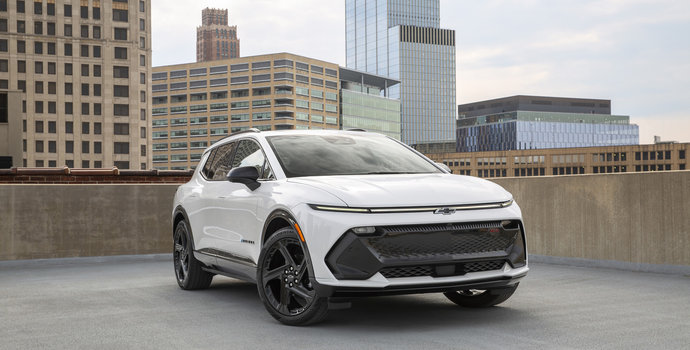
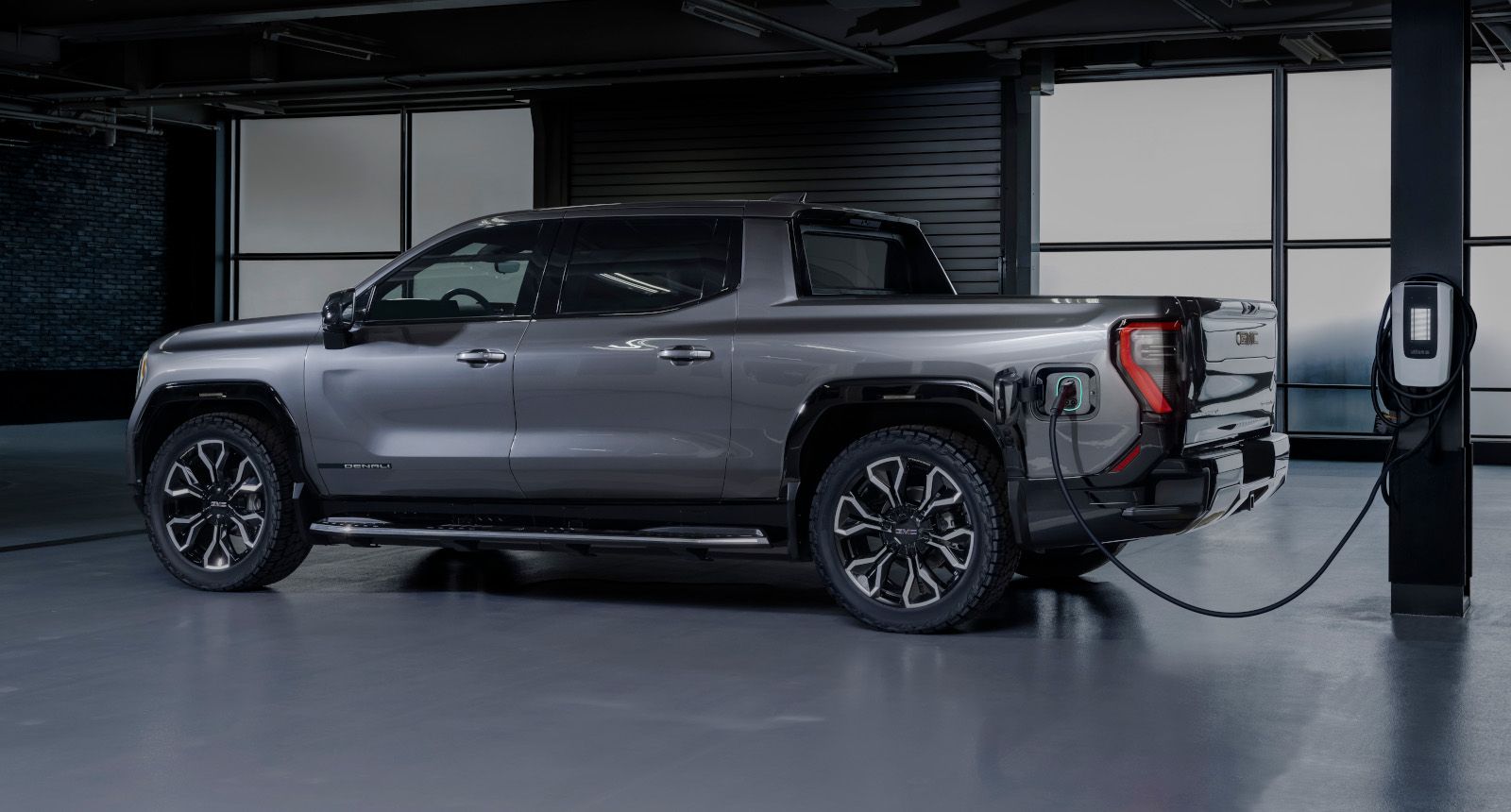
The Chevrolet Silverado EV and GMC Sierra EV have no engine to warm, so a block heater does not apply. The plug-in habit still pays off. Chevrolet recommends preconditioning the cabin of its EVs while plugged in, which heats the cabin with energy from the grid instead of the battery.
Chevrolet’s Silverado EV charging guidance also says to keep the truck plugged in when temperatures fall below 0°C to help maximize high-voltage battery life. Chevrolet EVs are tested in temperatures as cold as −40°C, and Chevrolet advises keeping the charge port and charger clear of ice and snow.
Key Takeaways
|
Question
|
Answer
|
|
What does a block heater do?
|
Warms engine coolant, which warms the block and oil for easier starts
|
|
How long should it run?
|
NRCan recommends a timer set to switch on two hours before you drive
|
|
How much fuel can it save?
|
Up to 10% overall at −20°C, and approximately 25% on a short trip at −25°C
|
|
How long should I idle?
|
Usually 60 seconds on cold days; no more than two to three minutes for most extreme-cold starts
|
|
What cord should I use?
|
An outdoor-rated cord sized for the load and length, on GFCI protection
|
|
Which GM pickups offer one?
|
Sierra 1500, Silverado 1500 ZR2, Silverado HD, Sierra HD, Colorado and Canyon
|
Get Your Pickup Winter-Ready at Humberview Chevrolet Buick GMC
Not sure if your truck has a block heater, or where the plug is? Drop by Humberview Chevrolet Buick GMC in Toronto. The team can confirm your pickup’s equipment, look over the heater cord and walk you through GM’s guidance for your exact model year and engine.