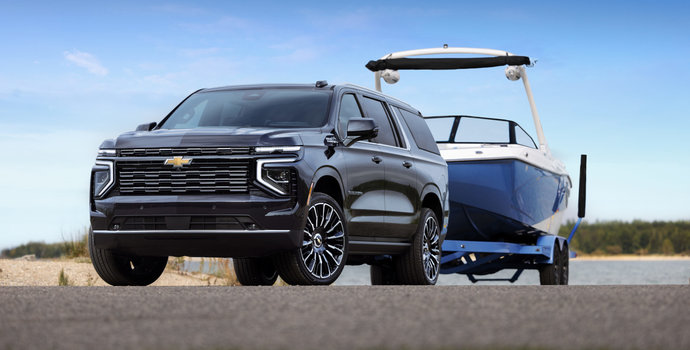
Ontario mornings are getting cooler, and that first frosty windshield is usually the signal that winter habits need to start now, not in January. For Chevrolet EV owners, a few small routines this fall can protect range, keep charging simple, and make cold mornings less of a hassle.
This guide answers the questions Chevrolet EV owners ask most as temperatures start to drop, from preconditioning to app tools to the small maintenance habits that pay off once the real cold arrives.
How Much Does Fall Weather Affect My Chevrolet EV’s Range?
Cooler air does affect how far an EV travels on a charge, and Chevrolet EVs are not an exception. The battery works harder to stay in its ideal temperature range, and heating the cabin draws from the same battery that powers the motor.
The good news is that fall’s milder temperatures are a smaller adjustment than deep winter cold. Chevrolet EVs are tested in conditions as cold as -40°C to verify that battery function, traction, and cabin climate control keep working as designed, so the systems built into your vehicle are already built for this.
Lithium-ion batteries do perform less efficiently as temperatures fall, and the battery itself will not freeze, but performance will shift with the season. The habits below make that shift smaller.
What’s the Best Way to Precondition My Chevrolet EV Before Fall Mornings?
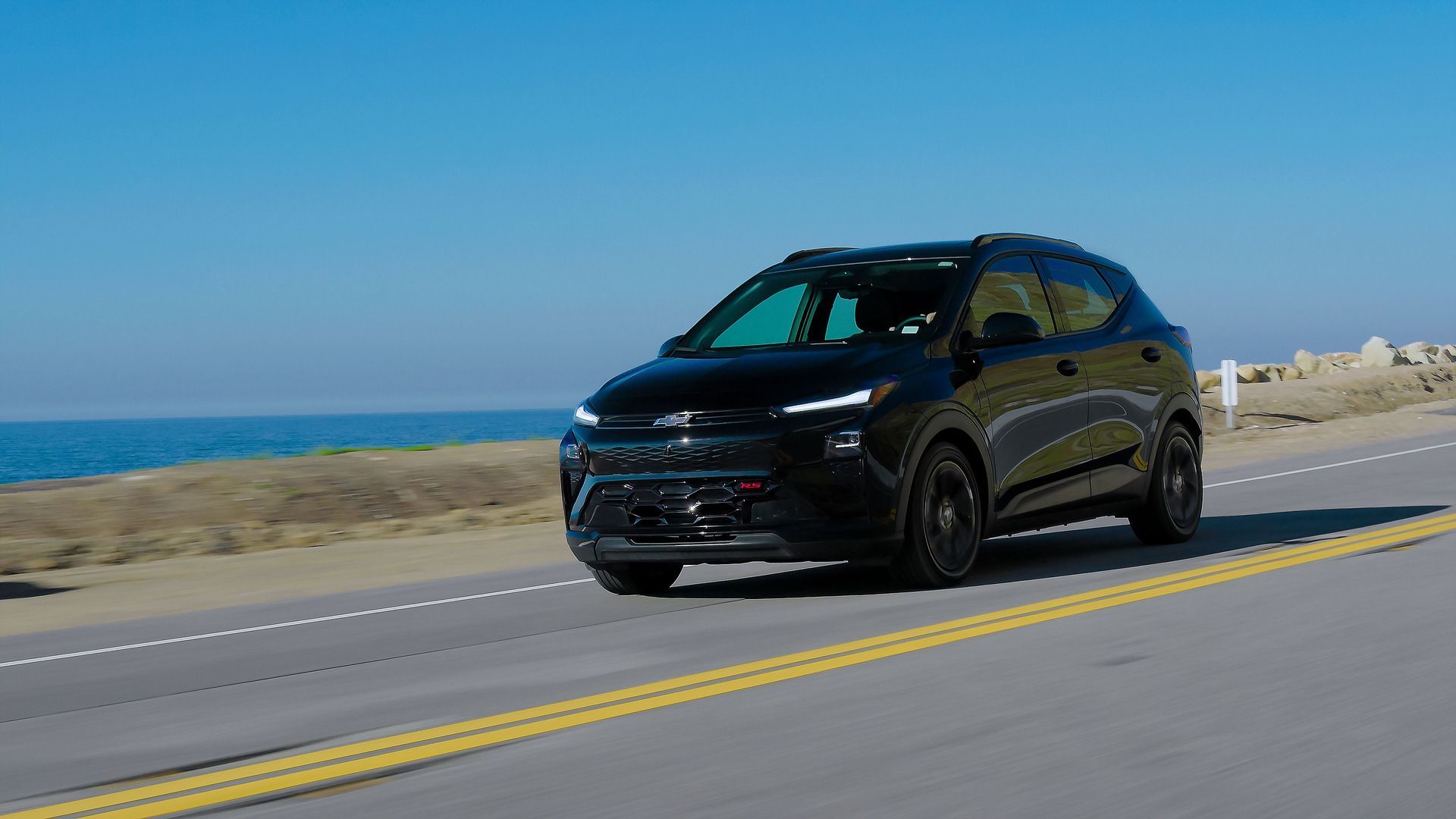
Preconditioning is the single most useful fall habit for a Chevrolet EV owner. Heating the cabin while the vehicle is still plugged in draws that energy from the grid instead of the battery, which preserves range before you even pull out of the driveway.
On the Silverado EV, you can set a target departure time and the system finishes preconditioning right before you need to leave, using charger power rather than battery power to get the cabin to temperature. Remote Start, when the vehicle is plugged in, works the same way: it can draw available energy from the charger to conserve battery charge while warming the seats and steering wheel.
For a repeat weekday commute, setting this once as a scheduled routine means the vehicle is ready every morning without extra taps on your phone.
How Does the myChevrolet App Help With Fall and Winter Driving?
The myChevrolet mobile app is worth setting up before the weather turns, not after. It works as a command centre for the vehicle: remote start on a cold morning, lock the doors from inside the house, set parking reminders, and check vehicle health information, all from a single screen.
For longer trips, the app also helps plan routes and locate charging stations along the way, which matters more once shorter daylight hours change when and where you’re driving. A Remote Access Plan is required for these features to work.
A quick software check through the app is also a reasonable fall habit, alongside confirming your vehicle health status before the season’s first cold snap.
What Fall Habits Keep My Chevrolet EV Charging and Handling at Its Best?
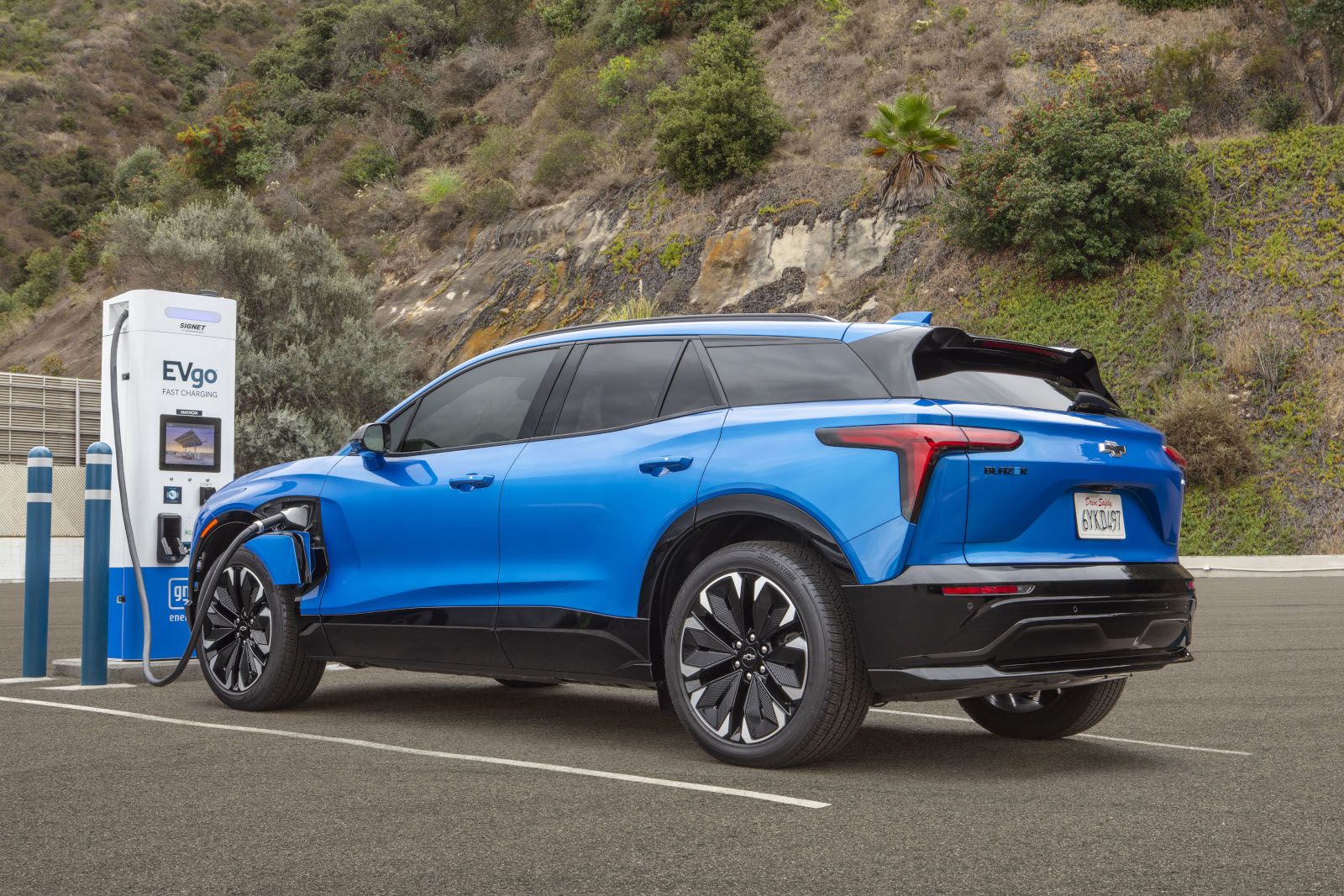
A few small routines protect both range and comfort through the fall:
- Keep the charge port clear. Home and public charging works the same year-round, but ice or frost on the port or the charger connector can get in the way. A quick wipe before plugging in avoids the problem entirely.
- Check tire pressure regularly. Cooler air causes tire pressure to drop, and properly inflated tires support range efficiency, handling, and even tread wear. The myChevrolet app can monitor pressure so this takes seconds to check.
- Clear snow and ice before driving. Buildup around the vehicle disrupts airflow and can block the sensors and cameras the vehicle relies on, including the systems behind parking and reversing. A clear vehicle sees and drives the way it’s designed to.
- Use Eco Climate and heated features together. Eco Climate adjusts airflow based on how many seats are occupied, cutting wasted energy when you’re driving alone. Heated seats and a heated steering wheel warm passengers directly and use less energy than heating the whole cabin, so leaning on them instead of the fan is a genuinely efficient habit, not just a comfort one.
The heat pump equipped in Chevrolet EVs adds another layer here: it captures heat from sources like regenerative braking and passenger breath and redirects it to warm the cabin or the battery, so the system is already working to reduce how much energy climate control pulls from the battery.
Quick-Answer Fall EV Checklist
- Precondition while plugged in so cabin heat comes from the grid, not the battery.
- Clear the charge port and charger of frost before every plug-in.
- Check tire pressure through the myChevrolet app as temperatures drop.
- Set up the myChevrolet app for remote start, locking, and trip planning before the weather turns.
- Consider raising your charge limit as your typical range needs grow in cooler weather.
Ready to Get Your Chevrolet EV Winter-Ready?
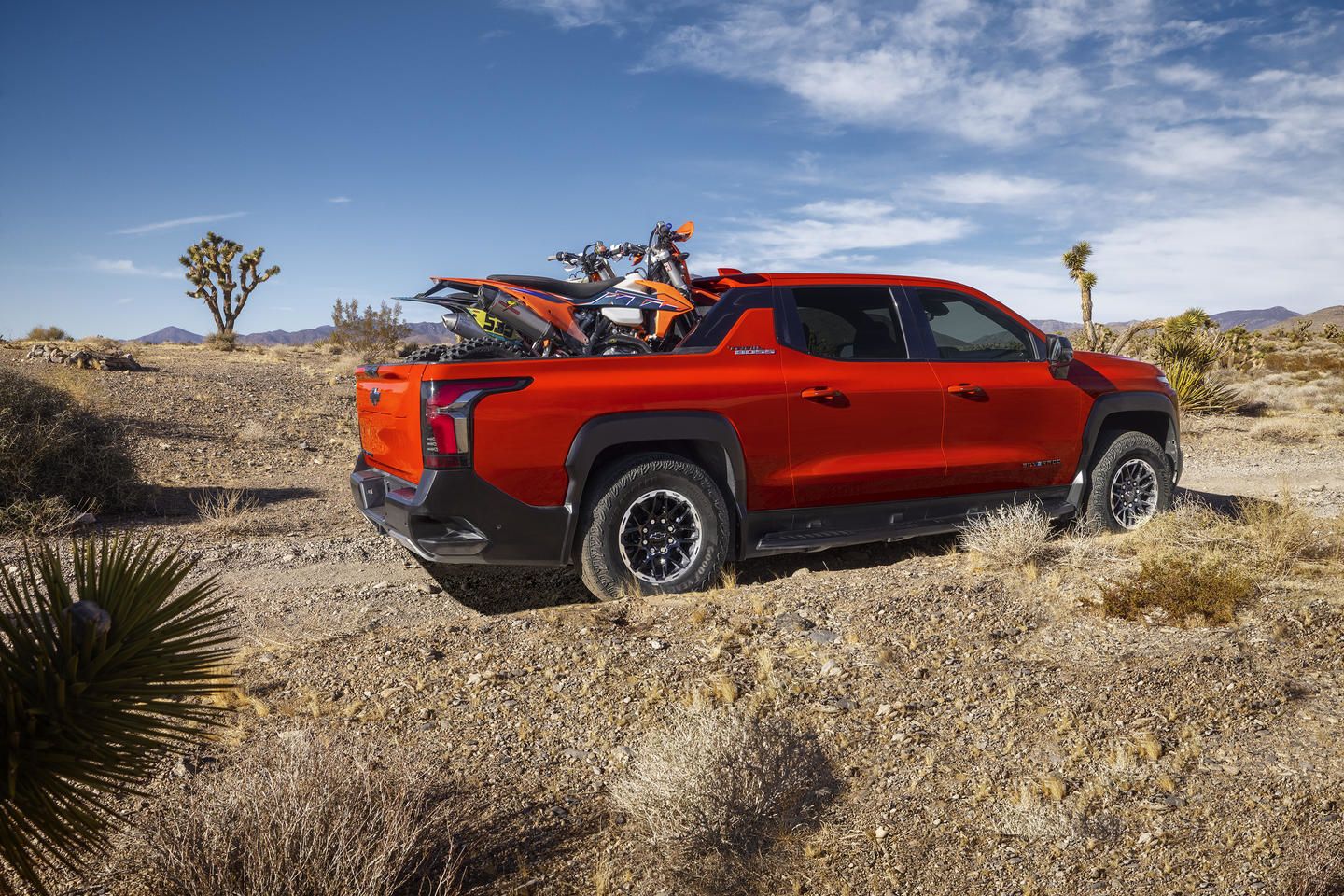
Fall is the window to build these habits before the season demands them. Scheduling preconditioning as a standing routine, adjusting your charge limit upward from a summer setting, and confirming vehicle health through the app all take a few minutes now and pay off on the coldest mornings.
Garage parking, where it’s available, also reduces how hard the battery has to work to warm up before a drive. None of these steps require special tools, just a bit of attention before the temperature drops further.
Fall-Ready Charging Starts at Humberview Chevrolet Buick GMC
A Chevrolet EV built and tested for Canadian conditions still benefits from a few fall habits: preconditioning on grid power, a cleared charge port, checked tire pressure, and a myChevrolet app set up before the cold arrives.
Visit Humberview Chevrolet Buick GMC in Toronto to have your Chevrolet EV’s charging setup and battery health checked before winter, and get your fall routine dialled in with the team on-site.