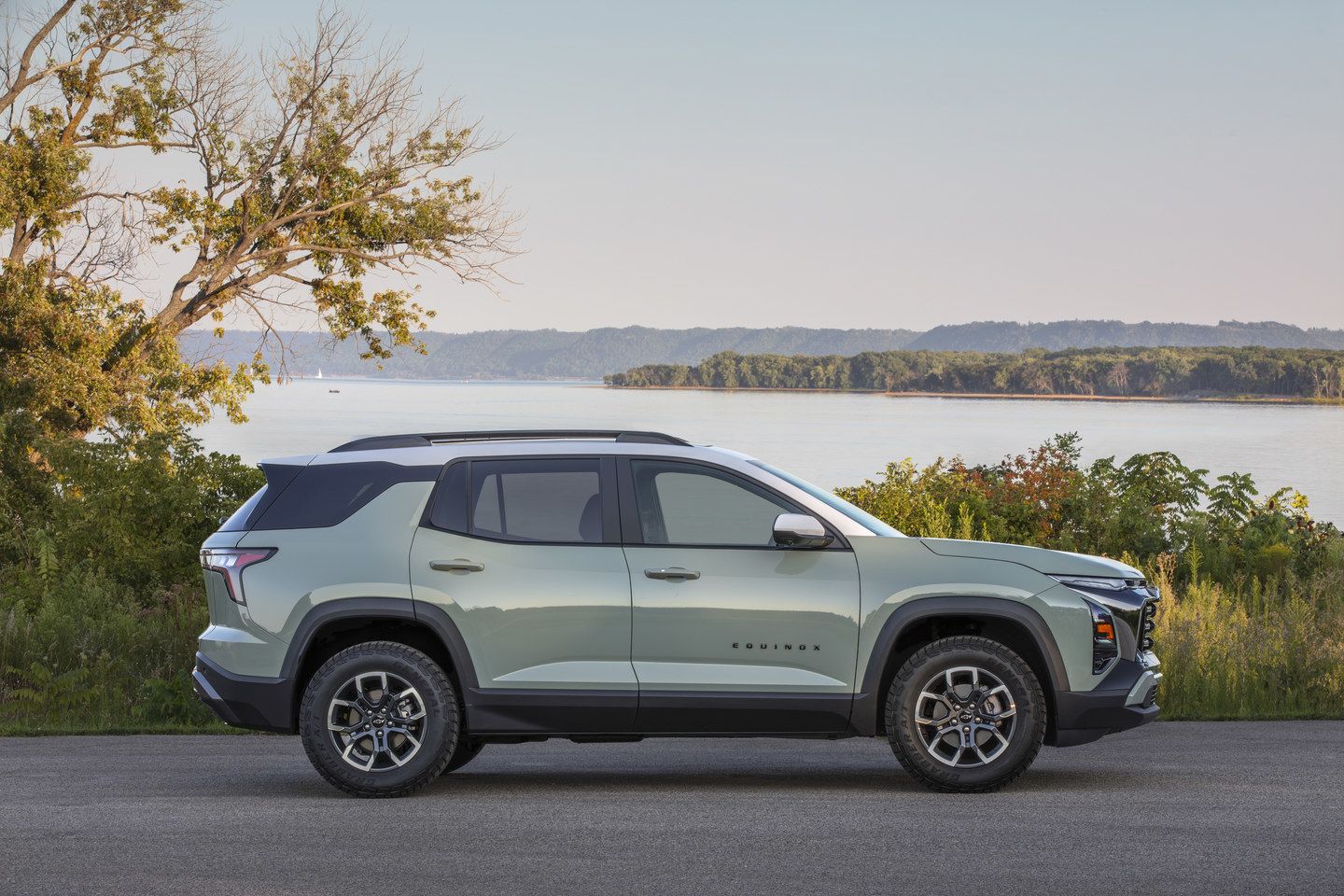
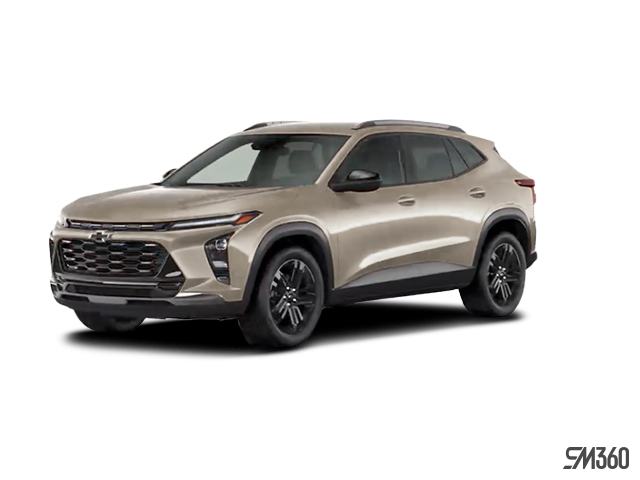
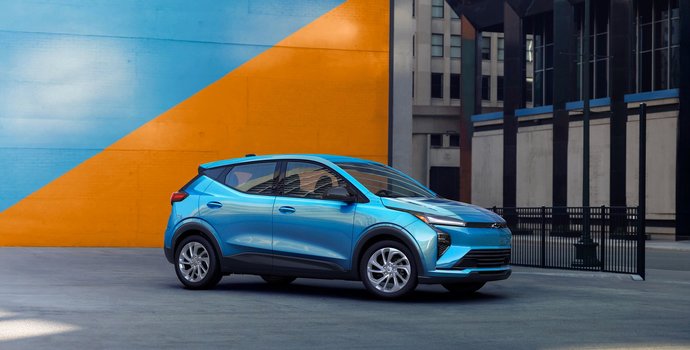
Choosing the right compact SUV can feel overwhelming when three strong contenders sit side-by-side on the same showroom floor. For drivers in Toronto, the 2026 Chevrolet lineup offers three distinct options—the Trax, Trailblazer, and Equinox—each engineered to serve different priorities. From navigating tight city streets to preparing for Ontario winters or hauling gear for weekend adventures, understanding the technical differences between these models will help you make a confident decision.
This guide breaks down 10 specific distinctions across powertrain, capability, and design, so you can match your choice to your daily driving reality.
Explore Chevrolet SUV Inventory
From city-friendly versatility to everyday capability, Chevrolet SUVs are designed to fit your lifestyle with confidence and comfort.
Shop Chevrolet SUVs >
At a Glance: Trax vs. Trailblazer vs. Equinox
|
Feature
|
2026 Trax
|
2026 Trailblazer
|
2026 Equinox
|
|
Starting MSRP
|
~$30,000
|
~$32,000
|
~$37,000
|
|
Engine
|
1.2 L Turbo I-3
|
1.2 L or 1.3 L Turbo I-3
|
1.5 L Turbo I-4
|
|
Horsepower
|
137 hp
|
137 hp (1.2 L) / 155 hp (1.3 L)
|
175 hp
|
|
Transmission
|
6-speed automatic
|
CVT (FWD) / 9-speed automatic (AWD)
|
CVT (FWD) / 8-speed automatic (AWD)
|
|
Drivetrain
|
FWD only
|
FWD or AWD
|
FWD or AWD
|
|
Cargo (seats folded)
|
1,532 L
|
1,540 L
|
1,799 L
|
|
Towing Capacity
|
Not rated
|
453 kg (1,000 lb)
|
680 kg (1,500 lb) AWD
|
|
Fuel Economy (AWD)
|
N/A
|
8.7 L/100 km combined
|
8.9 L/100 km combined
|
1. Powertrain Architecture: Three Engines, Three Philosophies
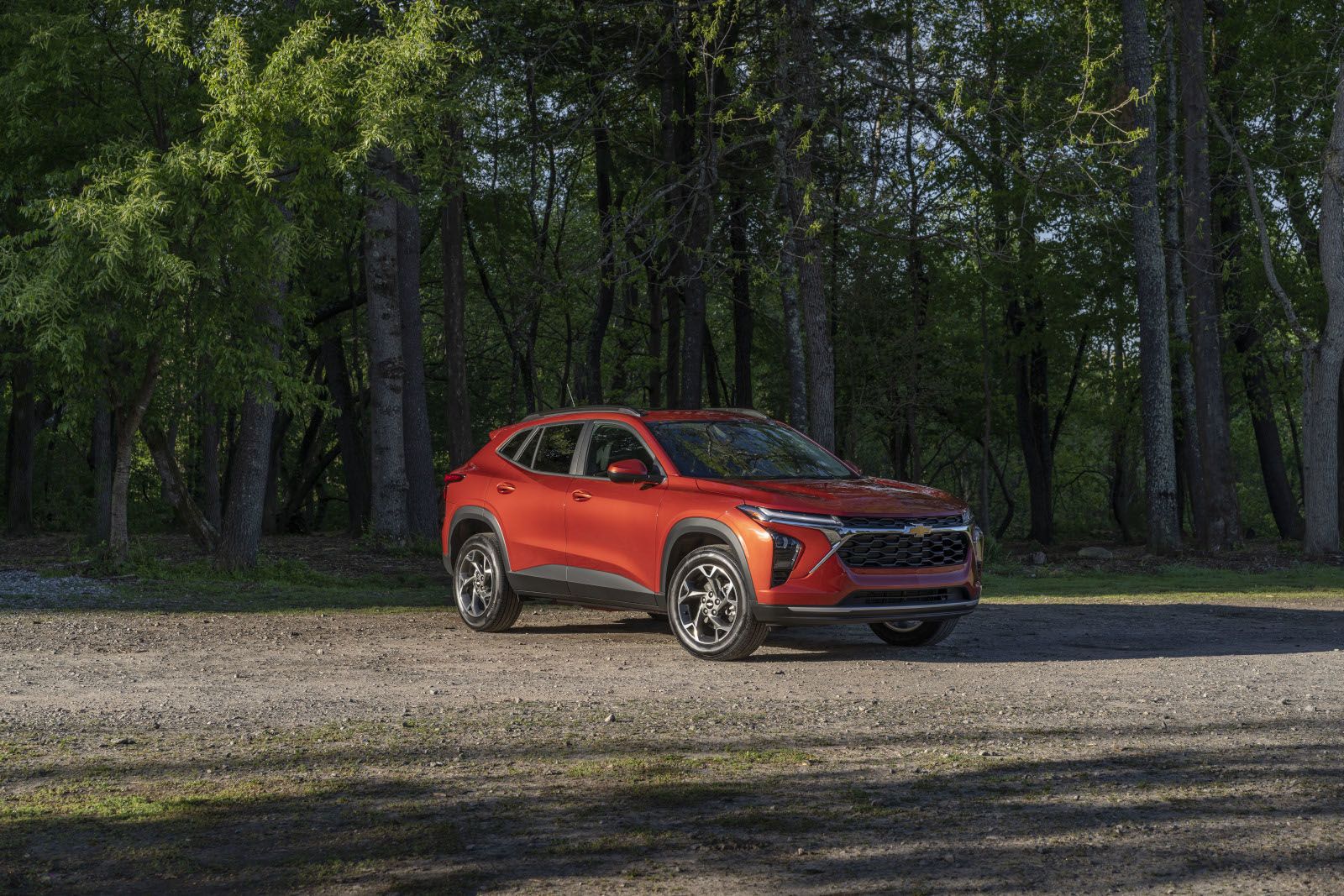
The Trax uses a 1.2 L turbocharged 3-cylinder engine producing 137 hp and 162 lb-ft of torque, paired exclusively with a 6-speed automatic transmission. This setup prioritizes efficiency and low-speed responsiveness for urban commuting.
The Trailblazer offers two engine options: the same 1.2 L turbo for FWD models, or a more capable 1.3 L turbo (155 hp, 174 lb-ft) for AWD variants. FWD Trailblazers use a CVT, while AWD models upgrade to a 9-speed automatic transmission with driver shift control—a meaningful step up in refinement and gear ratio spread.
The Equinox takes the lead with a 1.5 L turbocharged 4-cylinder engine delivering 175 hp and 203 lb-ft of torque in AWD configuration (184 lb-ft in FWD). AWD models use an 8-speed automatic transmission, offering smoother power delivery and better high-speed efficiency than the Trailblazer's 9-speed or the Trax's 6-speed.
2. All-Wheel Drive Availability: Winter Capability vs. Value
The Trax is FWD-only across all trims. For drivers who rarely encounter snow or unpaved roads, this keeps costs down and fuel economy competitive at 8.1 L/100 km combined.
Both the Trailblazer and Equinox offer AWD, but with different execution. The Trailblazer's AWD system is standard on LS, LT, RS, and ACTIV trims starting at $33,633, making it the most affordable AWD entry point in the lineup. The Equinox AWD starts at $39,425, positioned as a more premium choice with greater towing and cargo capacity to justify the price difference.
For Toronto drivers facing unpredictable winter conditions, the Trailblazer AWD offers the best balance of affordability and all-season traction.
3. Cargo Volume: Incremental Gains with Real-World Impact
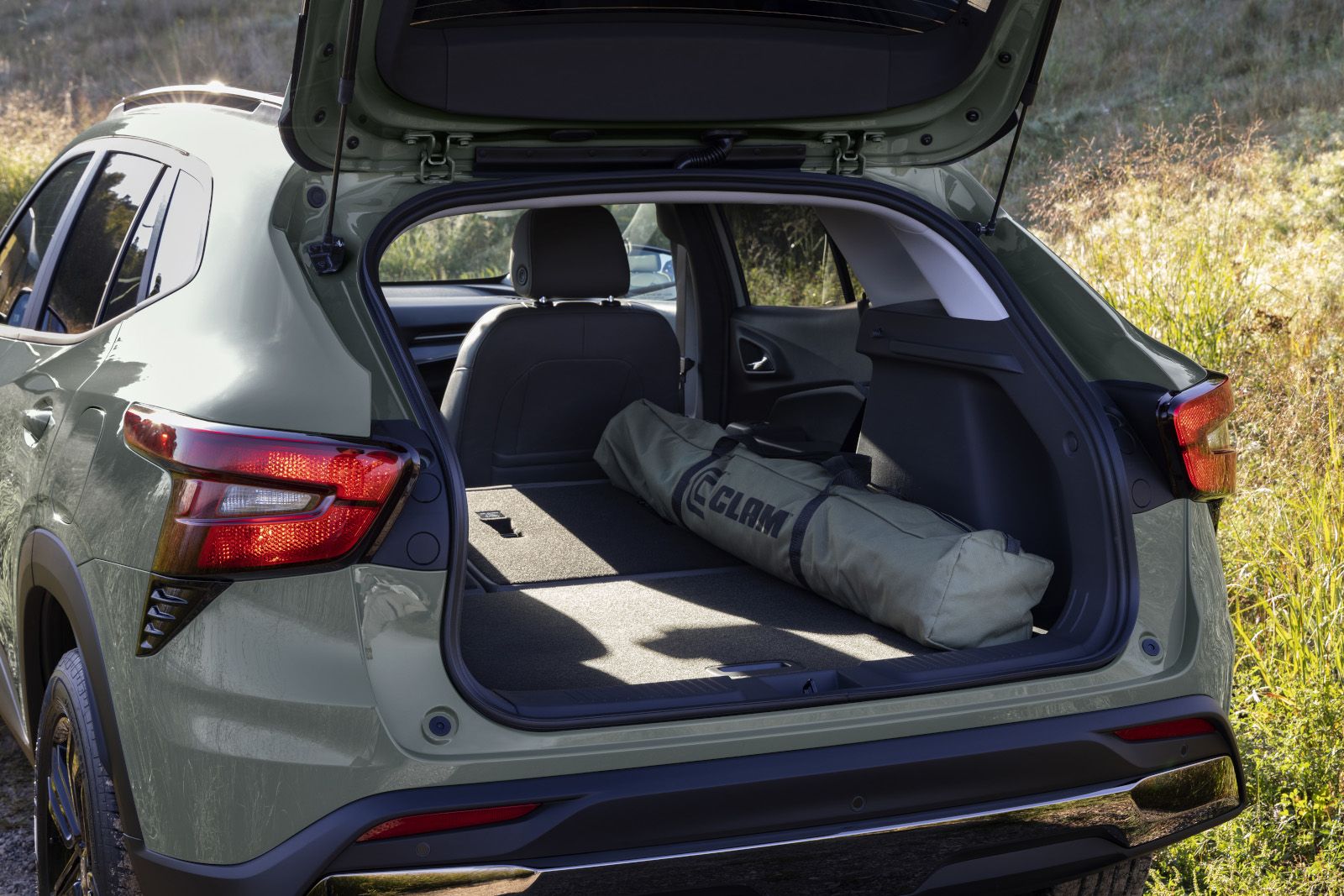
With rear seats folded, the Trax provides 1,532 L of cargo space—adequate for groceries, sports equipment, or weekend luggage. The Trailblazer adds just 8 L more at 1,540 L, a negligible difference in everyday use.
The Equinox pulls ahead with 1,799 L, a 17% increase over the Trailblazer. That extra volume translates to room for larger items like furniture, camping gear, or strollers without Tetris-level packing. Behind the second row, the Equinox offers 845 L compared to the Trailblazer's 716 L and the Trax's 725 L—a noticeable advantage for daily errands.
4. Towing Capacity: From None to 680 kg
The Trax is not rated for towing, limiting its use to passengers and cargo only.
The Trailblazer supports up to 453 kg (1,000 lb) with an accessory hitch—enough for a small utility trailer or lightweight camper, but not suitable for heavier recreational equipment.
The Equinox AWD leads with a 680 kg (1,500 lb) towing capacity, opening the door to larger trailers, small boats, or snowmobile transport. FWD Equinox models are rated at 363 kg (800 lb), still ahead of the Trailblazer.
5. Exterior Dimensions: Compact to Mid-Size Progression
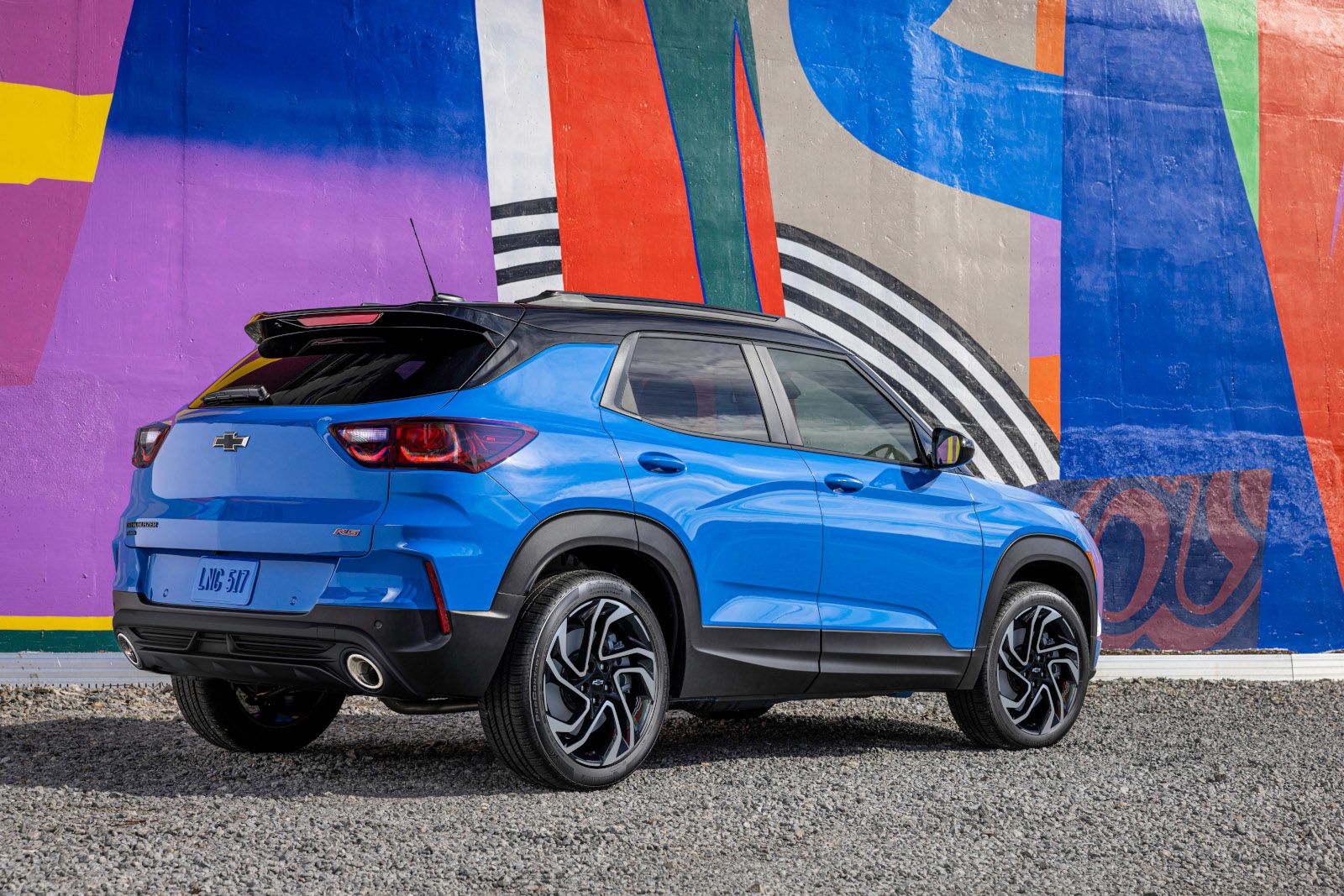
The Trax measures 4,536 mm in length with a 2,692 mm wheelbase—the longest of the three despite being the entry model, though its compact height and width keep it manoeuvrable for tight parking and urban navigation.
The Trailblazer is actually shorter at 4,407 mm in length with a 2,640 mm wheelbase, offering the most compact footprint for easier parking while maintaining a planted highway feel.
The Equinox is the largest at 4,653 mm long with a 2,730 mm wheelbase, providing the most stable ride quality and interior space. Ground clearance ranges from 205 mm on the LT to 208 mm on the RS, matching the Trailblazer's 205–208 mm range but exceeding the Trax's 185 mm—a small but meaningful difference on rough roads or in deep snow.
6. Fuel Economy: Efficiency vs. Capability Trade-Offs
The Trailblazer FWD delivers the best combined fuel economy in the lineup at 7.8 L/100 km (7.8 city, 7.7 highway), thanks to its optimized CVT calibration and lightweight construction.
The Trax FWD follows closely at 8.1 L/100 km combined (8.5 city, 7.6 highway), with its FWD-only configuration keeping consumption competitive.
The Trailblazer AWD consumes 8.7 L/100 km combined (9.1 city, 8.1 highway), while the Equinox FWD uses 8.7 L/100 km combined (9.2 city, 8.1 highway). The Equinox AWD sits at 8.9 L/100 km combined (9.6 city, 8.1 highway). The slight efficiency penalty on AWD models reflects the added capability and larger engine displacement.
7. Interior Space: Rear Seat Comfort and Headroom
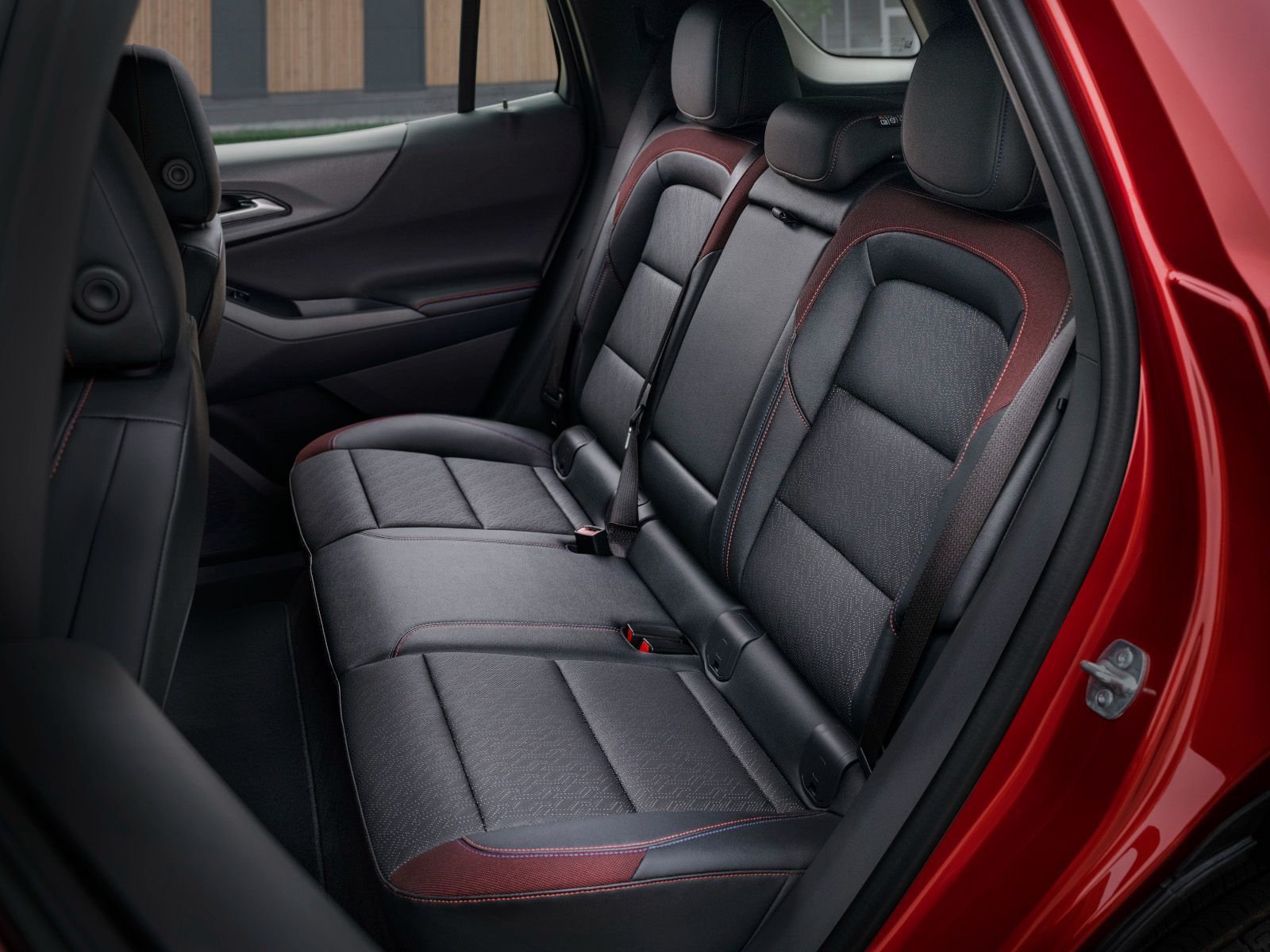
Front headroom is nearly identical across all three models (1,006–1,016 mm), but rear seat comfort diverges. The Trax offers 968 mm of rear headroom and 983 mm of legroom—adequate for adults on short trips but tight for taller passengers.
The Trailblazer improves rear legroom to 1,001 mm (without sunroof) and provides 975 mm of headroom, making it more comfortable for families on longer drives.
The Equinox delivers the most spacious rear cabin with 1,015 mm of front headroom (without sunroof) and 995 mm in the rear, plus 1,465 mm of front shoulder room compared to the Trailblazer's 1,408 mm and the Trax's 1,415 mm. This translates to a noticeably more comfortable experience for three adults across the rear bench.
8. Technology and Infotainment: Screen Size and Connectivity
The Trax 1RS uses an 8-inch centre touchscreen with a 3.5-inch driver information centre, while LT, 2RS, and ACTIV trims upgrade to an 11-inch HD touchscreen with an 8-inch digital cluster. Wireless Apple CarPlay and Android Auto are standard across all trims.
The Trailblazer mirrors this setup: LS models use an 8-inch touchscreen, while LT, RS, and ACTIV trims feature the 11-inch HD display with an 8-inch driver information centre.
The Equinox standardizes an 11.3-inch touchscreen across all trims, paired with an 11-inch driver information centre—the largest and most advanced interface in the lineup. Google built-in compatibility is standard, offering seamless navigation and voice control.
9. Safety and Driver Assistance: Standard vs. Available Features
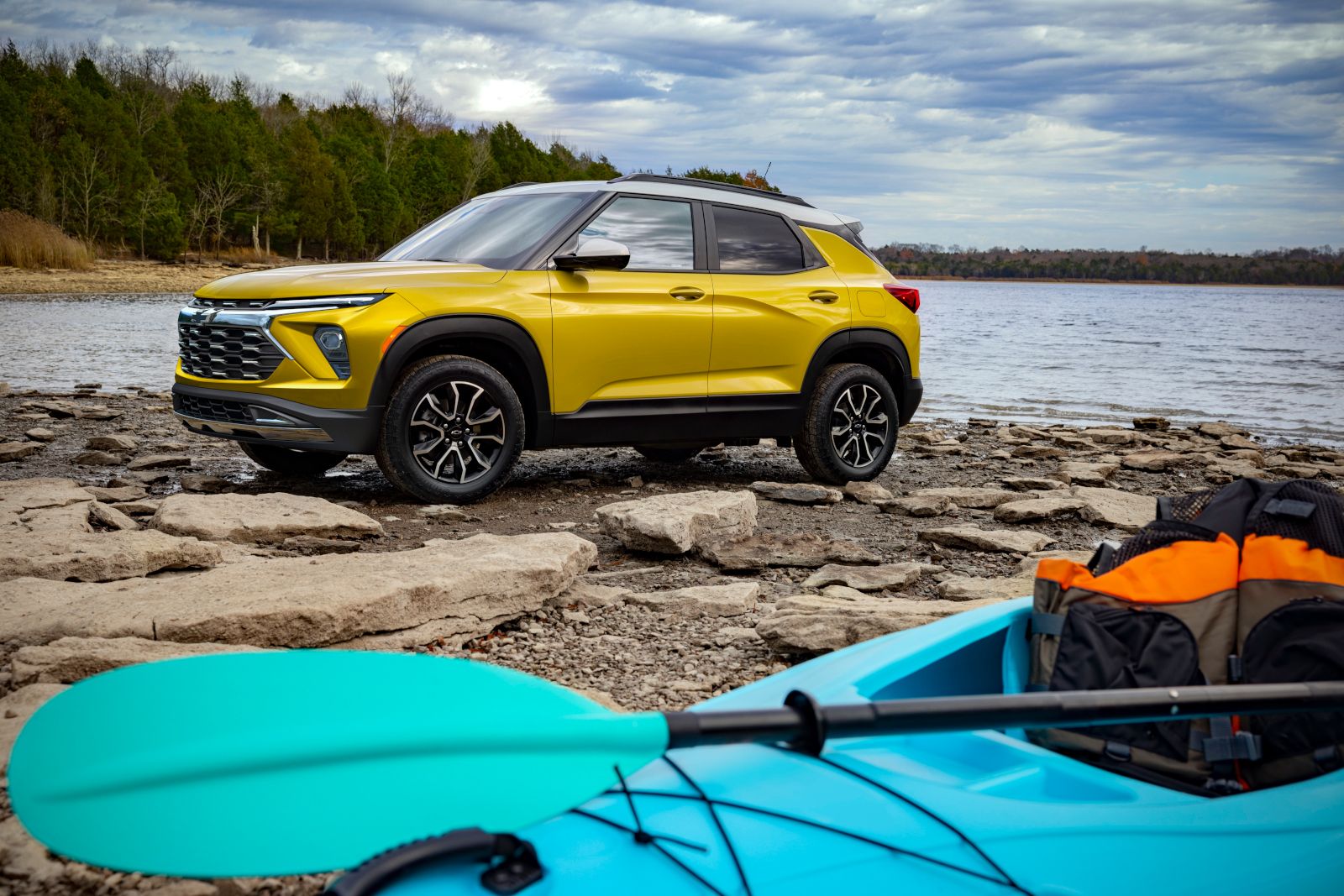
All three models include Chevrolet Safety Assist as standard equipment: Automatic Emergency Braking, Front Pedestrian Braking, Lane Keep Assist with Lane Departure Warning, Forward Collision Alert, Following Distance Indicator, and IntelliBeam auto high beams.
The Trax includes Rear Cross Traffic Alert, Lane Change Alert with Side Blind Zone Alert, and Rear Park Assist as standard across all trims. The Trailblazer offers these features as available (optional) on the LS trim, with standard inclusion on LT, RS, and ACTIV models.
The Equinox adds Adaptive Cruise Control as standard equipment on all trims—a feature that's optional on the Trailblazer LT, RS, and ACTIV, and unavailable on the Trax. The Equinox also includes Rear Cross Traffic Braking (not just alert) and Side Bicyclist Alert, offering a more comprehensive safety suite.
10. Pricing and Trim Strategy: Value, Flexibility, and Premium Positioning
The Trax starts at ~$30,000 for the 1RS trim, making it the most affordable entry point. The LT trim (~$31,000) adds convenience features, while the 2RS and ACTIV (~$33,000 each) offer sportier styling and upgraded interiors.
The Trailblazer LS FWD starts at ~$32,000, with AWD available at ~$34,000. The LT AWD (~$35,000) balances features and value, while the RS and ACTIV trims (~$39,000 each) add distinctive styling and hands-free liftgate functionality.
The Equinox LT FWD starts at ~$37,000, with AWD at ~$39,000. The RS and ACTIV trims (~$44,000 each) include 19-inch wheels, premium materials, and advanced technology. The Equinox positions itself as the premium choice in the lineup, justifying the higher price with superior capability and refinement.
Which SUV Fits Your Needs?
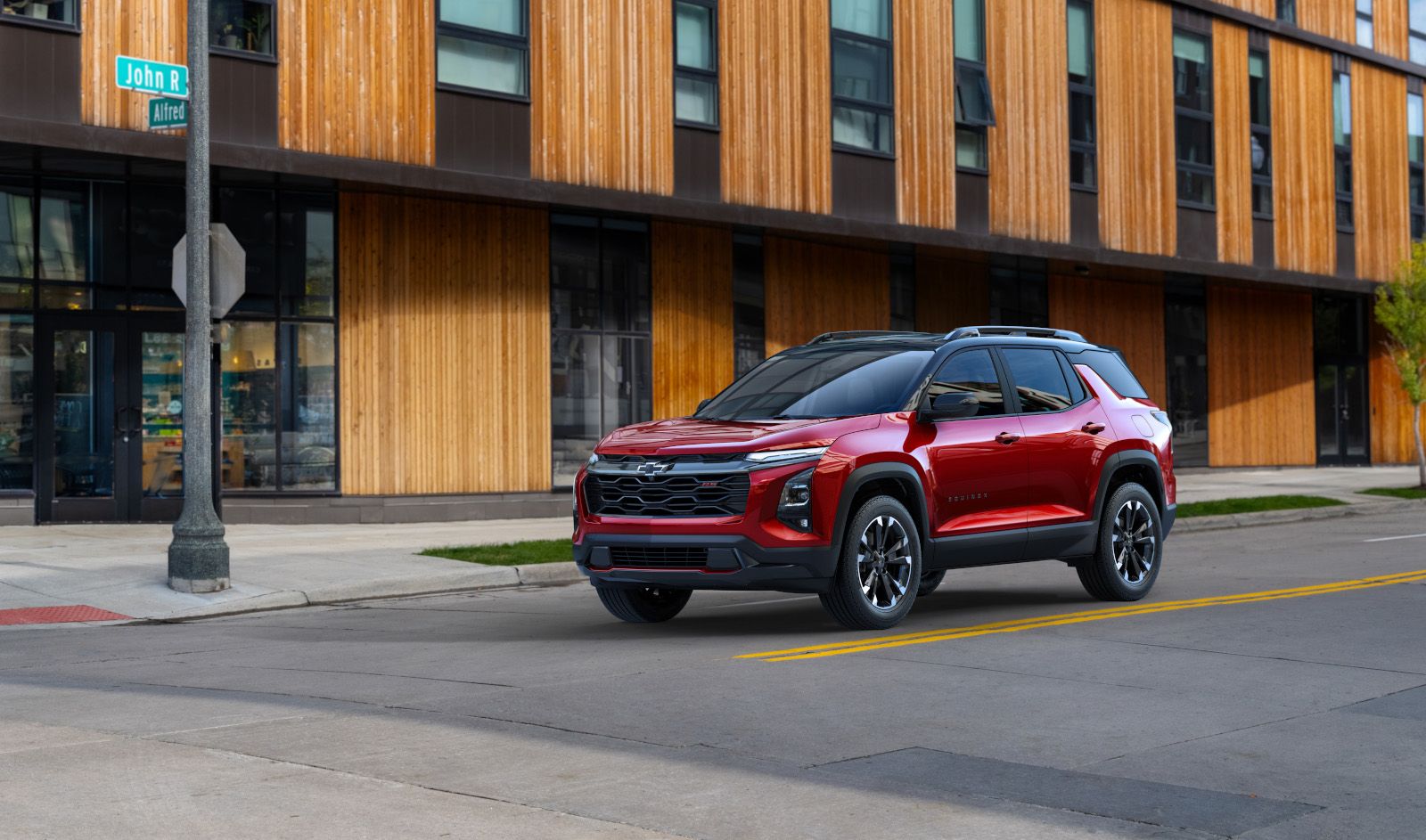
No single model wins across all categories—each serves a distinct purpose. The Trax delivers the lowest cost of entry and competitive fuel economy, ideal for solo commuters or couples who prioritize affordability and city driving. The Trailblazer offers the most balanced package, with affordable AWD, the best fuel efficiency in FWD configuration, and a refined 9-speed transmission for drivers who need winter capability without stretching their budget. The Equinox provides the most utility, with the largest cargo area, strongest towing capacity, and most advanced technology—best suited for families or active drivers who need room to grow.
Experience the Chevrolet SUV Lineup at Humberview Chevrolet Buick GMC
Comparing specs on paper only tells part of the story. To feel the difference in rear seat comfort, cargo accessibility, and powertrain refinement, visit our team in Toronto. We'll help you match your daily driving needs to the right model, answer questions about AWD performance in Ontario winters, and arrange test drives of all three SUVs. Book your appointment today at Humberview Chevrolet Buick GMC and find the Chevrolet SUV that fits your life.
You might also be interested in these blogs: 2026 GMC Terrain vs. 2026 Chevrolet Equinox: We Highlight the Key Differences to Know About | Small SUV Comparison: 2025 Chevrolet Trax, Buick Encore GX, Chevrolet Trailblazer, and Buick Envista | Small SUV, Big Value: Why the 2025 Chevrolet Trax Beats Rivals in This Segment